Why IELTS? Advantages and Importance
Introduction to IELTS:
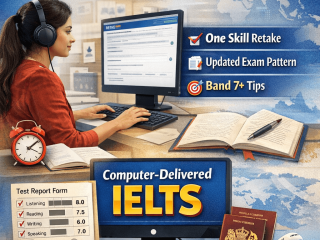
The International English Language Testing System, commonly known as IELTS, is one of the most recognized English language proficiency tests globally. It assesses a candidate's proficiency in four key areas of English communication: speaking, reading, writing, and listening.
Advantages of IELTS:
Global Recognition:
IELTS enjoys widespread recognition among educational institutions, employers, and governments worldwide. Whether you're applying for university admission, seeking employment opportunities abroad, or applying for immigration purposes, having an IELTS score can significantly enhance your prospects.
Gateway to Higher Education:
For aspiring students aiming to pursue higher education in English-speaking countries, a good IELTS score is often a prerequisite. Many universities and colleges require prospective students to demonstrate proficiency in English through standardized tests like IELTS, ensuring they can comprehend lectures, participate in discussions, and write academic papers effectively.
Employment Opportunities:
In today's globalized world, proficiency in English is often a crucial skill for job seekers. Many multinational companies and organizations prefer candidates with strong English language skills, as it facilitates seamless communication in diverse work environments. Achieving a high score in IELTS can open doors to a plethora of job opportunities worldwide.
Importance of IELTS:
Language Proficiency Assessment:
IELTS serves as a reliable measure of an individual's English language proficiency. By evaluating listening, reading, writing, and speaking skills, it provides a comprehensive assessment of one's ability to communicate effectively in English, which is essential for success in academic and professional endeavors. For individuals planning to study, work, or migrate to English-speaking countries, IELTS is often a mandatory requirement for visa and immigration purposes. Governments use IELTS scores to assess an applicant's ability to integrate into the local community, ensuring they can communicate proficiently in various social and professional settings.
Personal and Professional Growth:
Beyond academic and career opportunities, mastering English through IELTS can contribute to personal and professional growth. Improved language skills enhance communication abilities, cultural understanding, and confidence, enabling individuals to thrive in diverse environments and pursue their aspirations with greater confidence.
Preparation for IELTS
Study Materials and Resources:
Numerous study materials and resources are available to help candidates prepare for the IELTS exam, including textbooks, online courses, practice tests, and study guides. Utilizing these resources effectively can aid in understanding test format, improving language skills, and boosting confidence. Mock Tests and Practice Sessions Engaging in mock tests and practice sessions is essential for familiarizing oneself with the IELTS exam format and time constraints. Regular practice not only improves performance but also helps identify areas of weakness that require further attention and refinement.
Learn more about IELTS Tests Preparations
Professional Guidance:
Seeking professional guidance from experienced tutors or language institutes can provide valuable insights, personalized feedback, and targeted strategies for success in the IELTS exam. Experienced instructors can offer expert advice on exam preparation, time management techniques, and effective study strategies tailored to individual needs.
Tips for Excelling in IELTS
Developing Language Skills:
Focus on developing all four language skills—listening, reading, writing, and speaking—through consistent practice and exposure to English language materials such as books, podcasts, movies, and conversations with native speakers.
Time Management:
Practice time management strategies to ensure you complete each section of the IELTS exam within the allocated time frame. Prioritize questions based on difficulty level and allocate time accordingly to maximize efficiency and accuracy.
Understanding Test Format:
Familiarize yourself with the format of the IELTS exam, including the types of questions, instructions, and scoring criteria for each section. Understanding the exam structure and requirements can help alleviate anxiety and improve performance on test day.
Conclusion:
In conclusion, IELTS offers numerous advantages and holds immense importance for individuals aspiring to study, work, or migrate to English-speaking countries. From enhancing global mobility and employment opportunities to fostering personal and professional growth, achieving a high score in IELTS can open doors to a world of possibilities. By investing time and effort in effective preparation strategies, candidates can maximize their chances of success and embark on a journey toward realizing their goals.
Unique FAQs
Is IELTS the only English proficiency test accepted worldwide?
While IELTS is widely recognized, some institutions and organizations may accept alternative tests such as TOEFL or Cambridge English exams. It's essential to check specific requirements for your intended purpose.
Can I retake the IELTS exam if I'm not satisfied with my score?
Indeed, applicants are permitted to retake the IELTS exam as often as they choose. However, it's advisable to thoroughly prepare and address any areas of weakness before scheduling a retake.
How long is an IELTS score valid?
Typically, IELTS scores are valid for two years from the test date. After this period, candidates may need to retake the exam if their scores expire.
Are there different versions of the IELTS exam?
Yes, there are two versions of the IELTS exam: Academic and General Training. The Academic version is suitable for individuals applying for higher education or professional registration, while the General Training version is intended for immigration purposes or non-academic training.
What is the lowest IELTS score needed to be admitted to a university?
- The minimum IELTS score required for university admission varies depending on the institution and the program of study. It's essential to check the specific requirements of the university and program you're interested in.
Related Posts